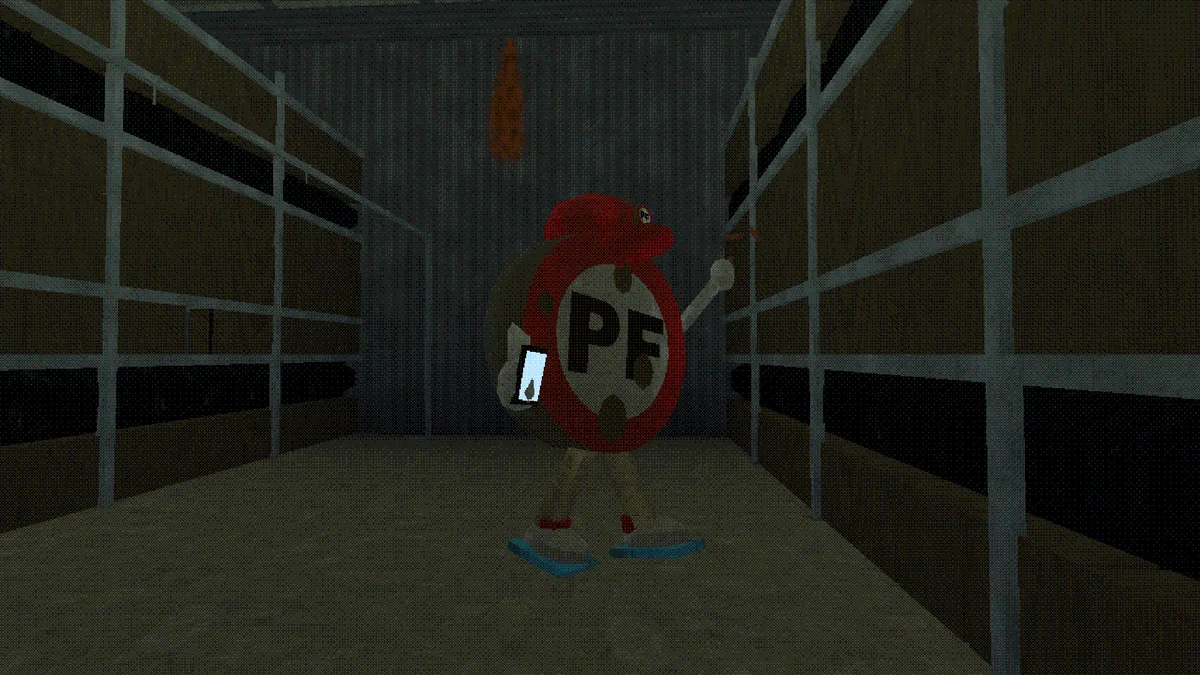
Corpofobia
First-person horror: you are the night shift at a galpón that rents out corporate mascot costumes.
 BRØWN MARCÓ
FOR INDEPENDENT STUDIOS IN CHILE AND LATIN AMERICA
Publishing takes time, money and many decisions outside development. At Brøwn Marcó Studios we want to talk with teams looking for a partner to carry that work together.
01 / THE PROPOSAL
Some projects need development time. Others reach launch with the game finished but without a clear store page, a campaign or a plan for after release. The conversation starts by understanding what is missing, what each side can take on and how the work would be measured.
02 / OUR GAMES
Games by Brøwn Marcó Studios.
First-person horror: you are the night shift at a galpón that rents out corporate mascot costumes.
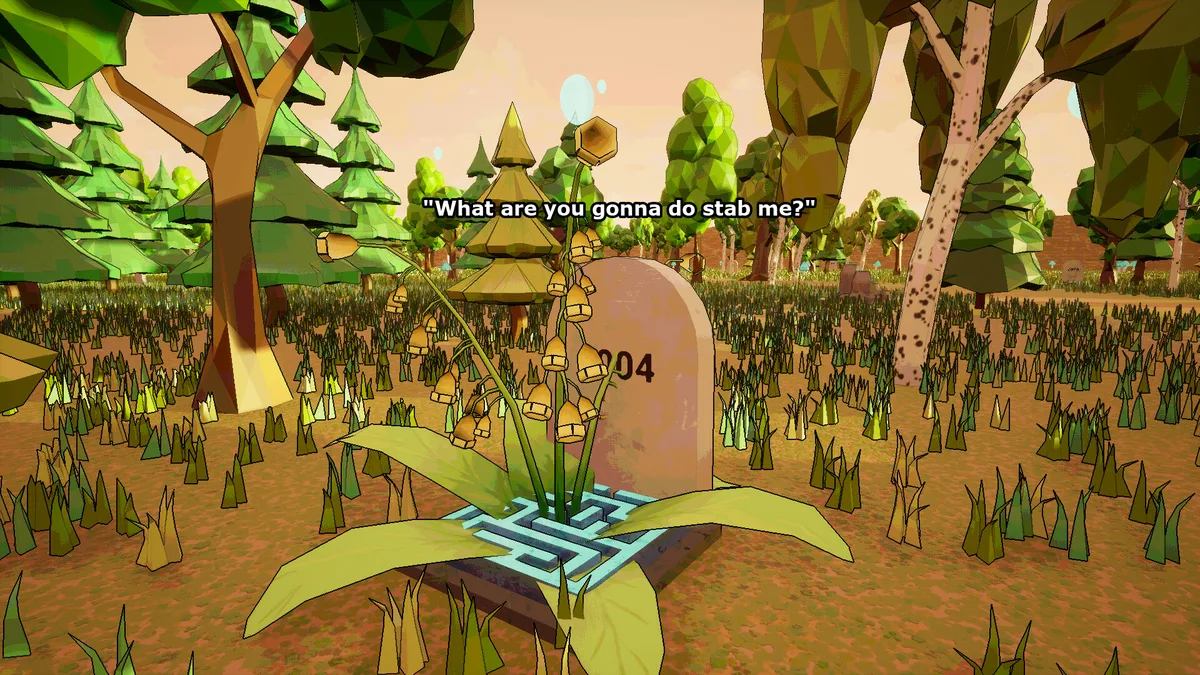
Guide a fragile marble through 80 physics-based puzzles set in a quiet cemetery.
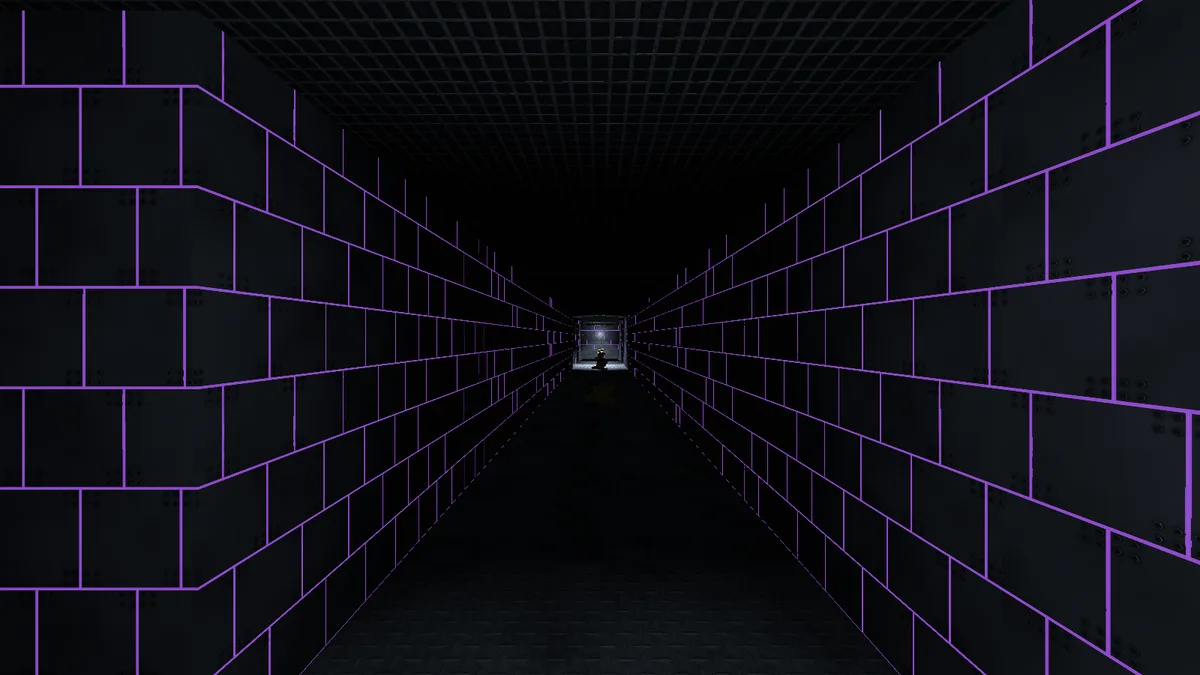
Based on Monster Maze (1982) by Robert Schilling, Epyx / Automated Simulations
03 / SCOPE
A publishing proposal can cover these areas. Before committing to anything, we define the scope, owners and resources of each project.
Review budget, milestones and cash needs to assess whether an agreement can fund part of the work.
Organise deliverables, dependencies and reviews so the team has a shared work plan.
Define test scenarios, log reproducible bugs and prioritise the ones that affect the experience or the launch.
Assess target platforms, controls, performance and technical requirements before planning an extra version.
Define languages, prepare text and context for translation, and integrate reviews into the game.
Prepare builds, listings and deliveries for the agreed stores, with a clear owner for each release.
Work on the game's positioning, its messages and a campaign calendar tied to real milestones.
Prepare materials for media and creators, select relevant contacts and coordinate the timing of each send.
Decide what the trailer shows, write the store listing and prepare capsules and images that explain the game at a glance.
Plan where to listen to players, answer questions and collect feedback useful to the team.
Review the opportunities and requirements of each platform and prepare the materials needed to apply.
Join dates, builds, announcements, store and support into a sequence the team can carry out.
Track bugs and feedback, prioritise patches and review which actions make sense once the game is out.
04 / FIRST CONTACT
You don't need a perfect presentation. A clear description, something playable and the kind of support you want are enough to start.
How to pitch your gameWhat people play, what stage the project is in and where we can see it.
Budget, production, launch or a mix of them.
If there is a fit, agree tasks, resources and milestones before moving ahead.
YOUR NEXT STEP